Resource
From Data to Impact: Dr Daisy Xu’s Journey in Understanding How Organisations (Re)Use Data
What makes data truly valuable once it has been collected? For CIRES PhD graduate Dr Daisy Xu, answering this question became the focus of a PhD journey that connected academic research with real-worl ...
From Data to Impact: Dr Daisy Xu’s Journey in Understanding How Organisations (Re)Use Data
 What makes data truly valuable once it has been collected?
For CIRES PhD graduate Dr Daisy Xu, answering this question became the focus of a PhD journey that connected academic research with real-world industry collaboration, culminating in her thesis “Three essays on data (re)use and value creation in organizations”. Through her PhD with CIRES and industry placement with Mantel, Daisy explored how organisations can make data reusable across teams, functions, and changing business contexts.
Her research examined a challenge faced by organisations across every sector: how to ensure that data remains meaningful, adaptable, and useful over time. Rather than view data reuse as purely a technical problem, Daisy investigated how people, technologies, and organisational structures work together to make data valuable in different contexts. This work aligns with Information Resilience – building organisations’ capacity to create, protect, and sustain data assets that remain valuable, trusted, and adaptable as business needs, technologies, and environments evolve.
Pictured above: Dr Daisy Xu, Graduation Day at The University of Queensland, July 2026.
Connecting Research With Industry
A key part of Daisy’s PhD experience was her placement with Mantel. The opportunity allowed her to observe first-hand how organisations create, manage, and reuse data in practice.
Through conversations with industry practitioners, data scientists, and business leaders, Daisy gained valuable insights into how organisations navigate the realities of delivering value from data assets.
“My placement was a great learning experience because I got to see, up close, how data science work happens day to day,” Daisy says. “I really appreciated the chance to observe how data reuse is made possible in practice, not just through technology, but also through the right organisational processes, roles, and ways of working,” Daisy said.
The experience also influenced how she approached research impact. Working closely with industry partners helped her connect academic questions to practical business decisions, making her research more practical and easier to translate into action.
“My industry placement made the idea of impact much more tangible. It reinforced that research creates value when it addresses practical challenges and produces insights that can be embedded into the everyday ways organisations govern, reuse, and trust their data.” Dr Daisy Xu, The University of Queensland.
Creating Value Through Collaboration
For Mantel, partnering with CIRES was an opportunity to tackle a longstanding challenge facing many organisations: understanding and measuring the value generated from data and analytics investments. While companies continue to invest heavily in data, demonstrating tangible and intangible returns remains difficult.
Emma Freya, Principal Consultant at Mantel, says the collaboration provided a valuable foundation for approaching a complex strategic issue.
“The collaboration provides a unique, evidence-based foundation to solve a core industry challenge: the systematic definition and measurement of analytics value,” Emma said.
She believes partnerships like this with direct collaboration with a PhD student play an important role in connecting research with real-world business needs. She also highlighted Daisy’s ability to work effectively within an industry environment.
“Daisy is a very dedicated and proactive researcher. She successfully engaged with a wide range of my colleagues to gather the necessary support for her research, demonstrating a strong ability to navigate and work within an industry environment.” Emma Freya, Mantel.
While the findings of the research are still being evaluated for broader application, Mantel see significant potential to incorporate the insights from Daisy’s work into future client engagements and further strengthen its advisory capability around data-driven value creation.
Growing Through Community
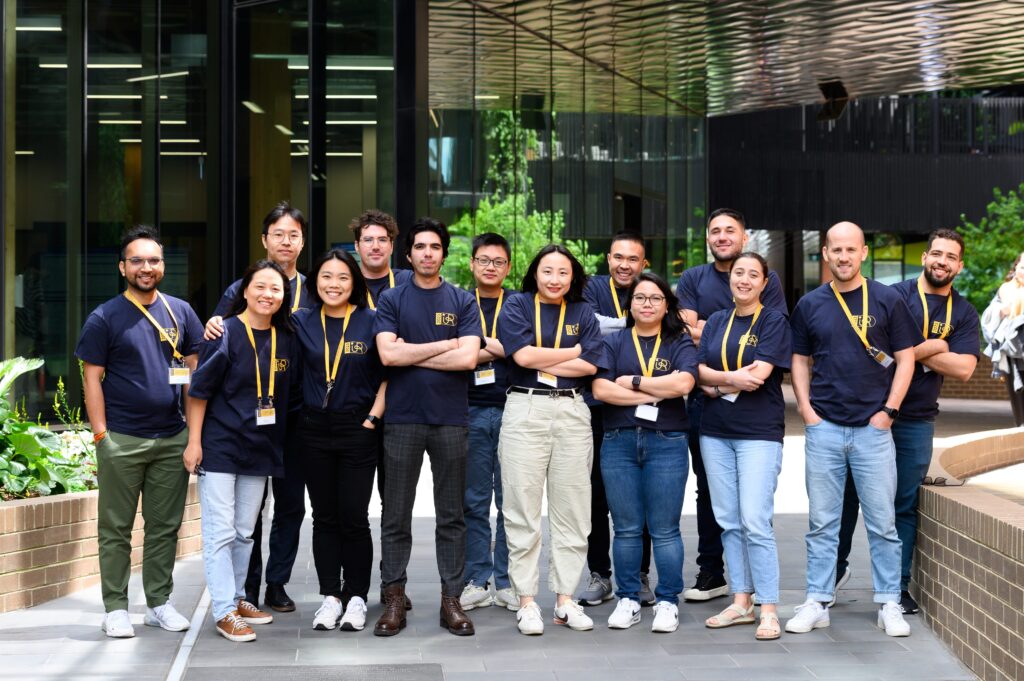
Alongside her industry experience, Daisy credits the broader CIRES and UQ community with helping shape her development as a researcher. Presenting work-in-progress at CIRES Information Resilience PhD schools, research seminars, conferences, and reading groups, provided opportunities to test ideas, receive feedback, and refine her thinking.
“What made these occasions meaningful was the generosity of the community. People engaged seriously with unfinished ideas and helped me see what mattered, what needed refining, and what insights could have broader application,” said Daisy.
These conversations helped strengthen both the theoretical and practical relevance of her research, preparing her to engage confidently with academic and industry audiences alike.
Reflecting on her experience, she is grateful for the mentorship, industry connection, and supportive community that CIRES provided through her PhD journey.
“My advice to current and future PhD students is to share and present your research early and often – the conversations you have along the way are where you really grow as a researcher, and where ideas are tested, refined, and strengthened. Equally important is staying connected with your peers, mentors, and research community, whose support and perspectives will keep you motivated and resilient throughout the PhD journey.” Dr Daisy Xu.
Pictured above: Daisy with the CIRES PhD cohort & visiting PhD researchers at the 2023 Information Resilience PhD School in Melbourne.
Looking Ahead
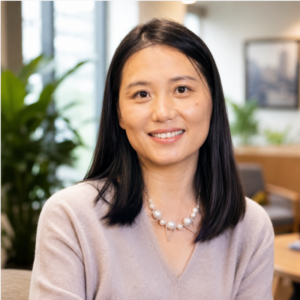 Daisy is preparing for an exciting new chapter, having secured a tenure-track Assistant Professor position at Copenhagen Business School, where she will continue her work in data studies and organisational transformation. Through both her research and teaching, she hopes to help future professionals understand data not only as a technical resource, but also as an organisational and societal phenomenon. Her journey highlights the value of industry-engaged research in connecting academic insight with real-world challenges. By working closely with an industry partner, she has demonstrated how research can generate practical knowledge that helps organisations navigate complexity, strengthen data practices, and create lasting value from their information assets.
View all resources