
New Report Released: Industry Placement in PhD Training – A National Study of Student and Advisor Experiences
How can Australia better prepare PhD graduates for careers across academia, industry, and government?
As industry demand for research-trained professionals continues to grow, industry placements are playing an increasingly critical role in bridging doctoral education and the innovation economy. Yet, until now, insight into what enables successful placements for students, advisors, and host organisations alike, has remained fragmented and incomplete.
We’re pleased to share the release of Industry Placement in PhD Training – A National Study of Student and Advisor Experiences conducted through the ARC Training Centre for Information Resilience (CIRES) with endorsement from the Australian Government Department of Education.
Drawing on perspectives from PhD students and academic advisors across Australia, the report examines:
- Participation pathways & placement models
- Student & advisor expectations & experiences
- Benefits for research translation, professional skills, & career development
- Challenges relating to workload, supervision, funding, & administration
- Evidence-based recommendations for universities, industry partners, & policymakers
The findings show that industry placements are a valuable component of doctoral training, helping students apply research in real-world contexts, build professional networks, and develop industry-ready capabilities. At the same time, the report identifies opportunities to strengthen support, alignment, and institutional processes to maximise outcomes for students, universities, and industry partners alike.
Thank you to our report authors: Prof. Shazia Sadiq, Prof. Marta Indulska, Dr. Xianxian Jiang, & Dr. Javad Pool.



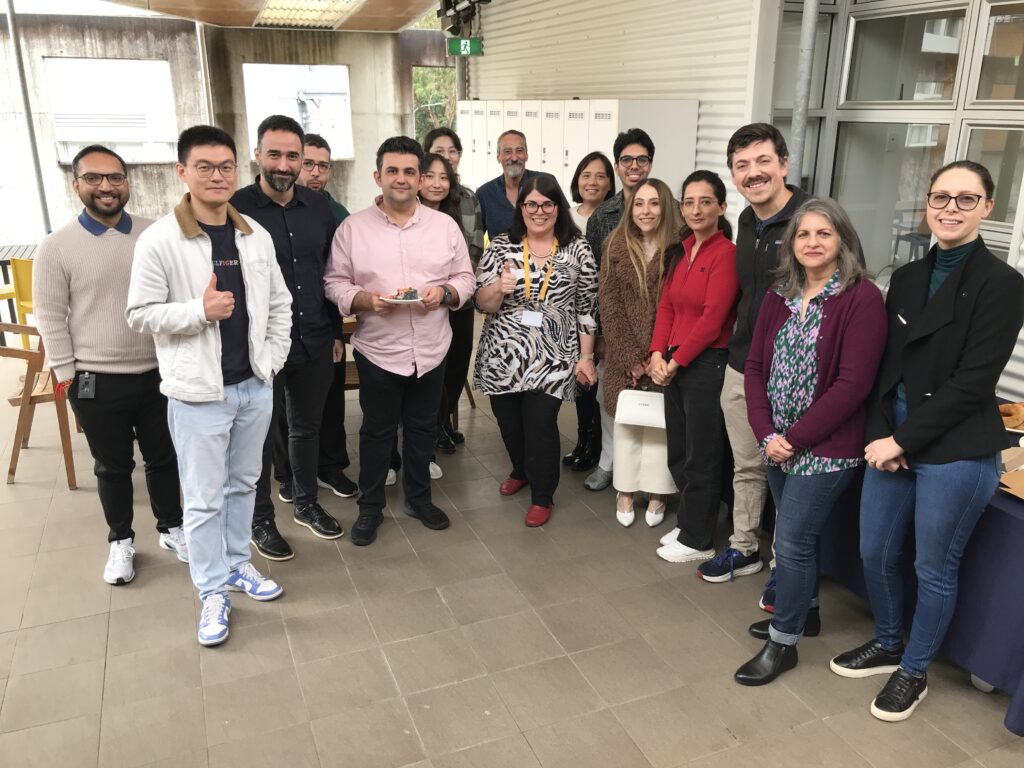





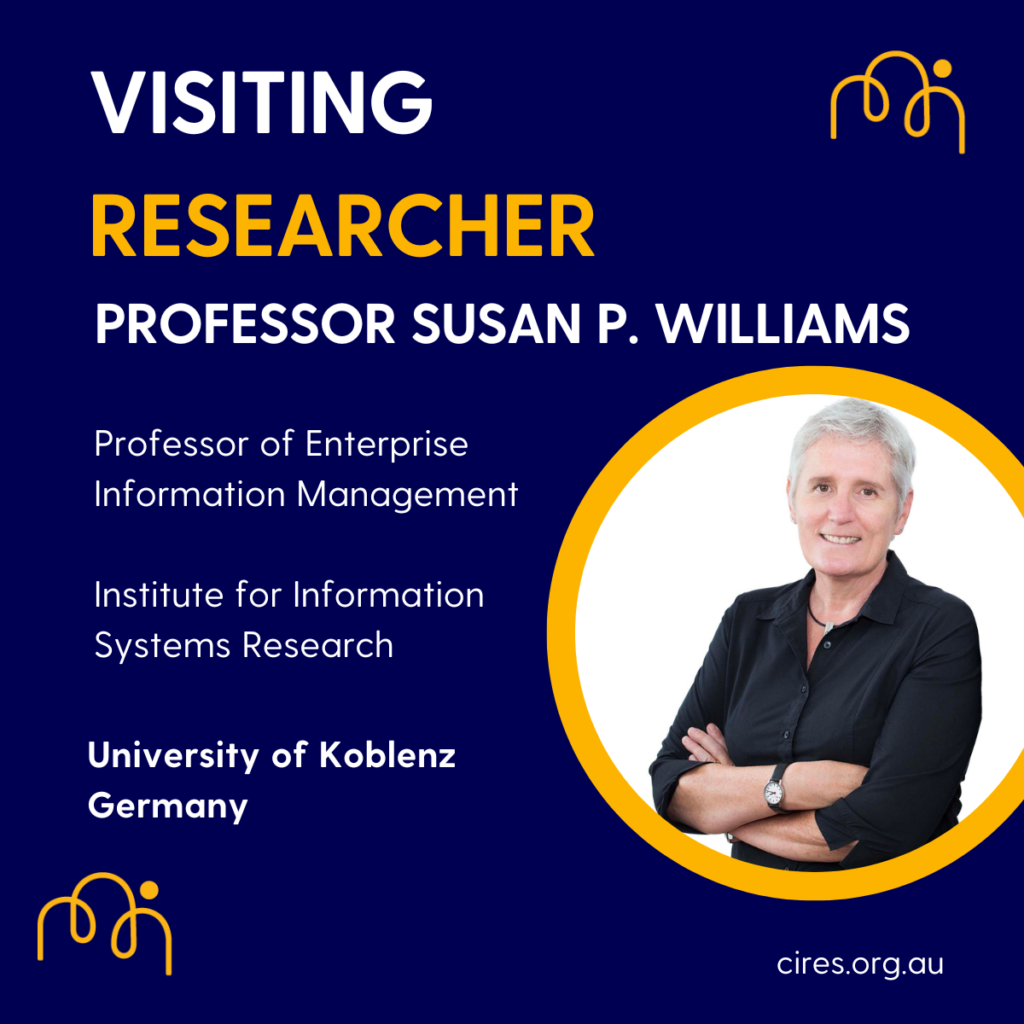


Professor Susan Williams from the Universität Koblenz Germany, is visiting our Swinburne University of Technology node from the 4th to 9th February 2024. Sue is a Professor of Enterprise Information Management and will be collaborating and working with CIRES Chief Investigator Dr Paul Scifleet, and CIRES PhD Researchers Lufan Zhang and Pa Pa Khin.
As an interdisciplinary researcher with expertise in the areas of social and organisational informatics, Sue’s work focuses on information ecologies and the design of the digital workplace. With an academic background in computer and information science, her research examines complex socio-technical change (STC) and human-centred technology design. Her long-term research programme investigates the challenges associated with understanding how new information infrastructures are shaping work and work practices, and the design of digital workspaces and workplaces to support distributed collaborative work.
CIRES Chief Investigator Dr Paul Scifleet is looking forward to the collaboration. “Professor William’s is one of the world’s leading researchers in Enterprise Information Management and the challenges businesses face today in managing the ever-increasing amount of vital information shared in workplace collaboration technologies. We are excited to be working with Professor Williams to improve the information resilience of Australian businesses facing the same concerns.”